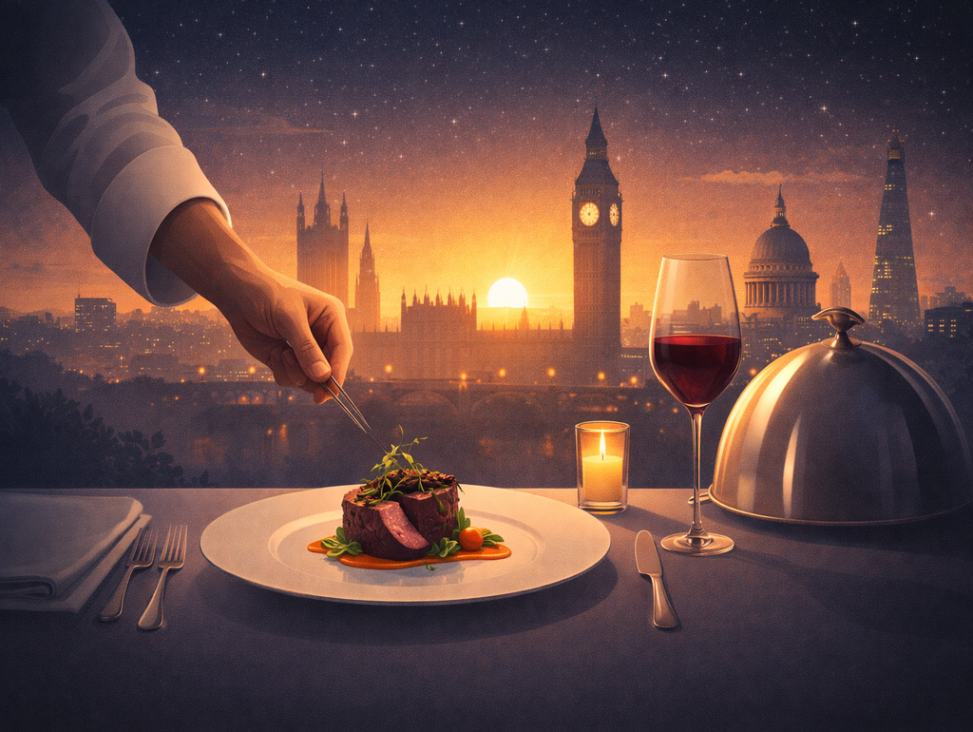
Britain’s fine dining landscape has transformed dramatically over recent decades. The country once mocked for bland cooking now hosts some of Europe’s most celebrated restaurants. The intersection of luxury experiences spans various sectors, from fine dining establishments to entertainment platforms like https://instantbanktransfercasino.nl/ and exclusive members’ clubs that cater to discerning clientele.
What makes haute cuisine particularly fascinating is how it balances tradition with innovation. British chefs honor classical techniques while incorporating local ingredients and contemporary approaches.
Historical Foundations of British Fine Dining
French influence dominated British haute cuisine for centuries. Auguste Escoffier’s principles shaped kitchen hierarchies and cooking methods across London’s grand hotels. The Savoy, Claridge’s, and The Ritz became training grounds for aspiring chefs.
However, the 1960s and 70s brought change. Chefs began questioning whether British cooking needed to remain subservient to French traditions. This questioning led to experimentation with regional British ingredients and techniques that had been overlooked.
The Modern British Movement
The 1990s marked a turning point. Chefs like Marco Pierre White and Gordon Ramsay brought aggressive ambition to British kitchens. They earned Michelin stars while maintaining distinctly British sensibilities.
This period saw restaurants embracing seasonal British produce. Heirloom vegetables, heritage breeds, and foraged ingredients became centerpieces rather than afterthoughts. The movement celebrated what Britain could grow, rear, and catch.
Core Elements of Contemporary Haute Cuisine
Today’s haute cuisine in the UK rests on several pillars. Technical precision remains paramount. Chefs spend years mastering knife skills, understanding heat, and perfecting sauces.
Ingredient sourcing has become equally important. Top restaurants maintain relationships with specific farms, fisheries, and foragers. They know exactly where each component originates. Some establishments even maintain kitchen gardens.
Multi-course tasting menus dominate the haute cuisine scene. These experiences typically include:
- Eight to fifteen small courses.
- Wine or juice pairings for each dish.
- Progression from light to rich flavors.
- Surprise elements and amuse-bouches.
- Petits fours and palate cleansers.
This format allows chefs to showcase range and creativity. Diners experience a culinary narrative rather than simply ordering dishes.
Visual appeal matters immensely. Chefs consider color balance, height, negative space, and how diners’ eyes move across the plate. Some use tweezers to position individual herb leaves. Others employ specialized tools to create precise dots and swooshes of sauce.
Yet the best presentations never sacrifice flavor for appearance. Beauty should enhance, not replace, delicious food.
Regional Variations and Local Pride
Scotland’s haute cuisine scene emphasizes seafood and game. Restaurants showcase langoustines, scallops from the Hebrides, and venison from Highland estates. The connection to the landscape feels visceral.
London remains the epicenter, hosting the highest concentration of Michelin-starred venues. The capital’s diversity means chefs draw from global influences while maintaining haute cuisine standards.
The Rise of Provincial Excellence
Cities outside London have developed remarkable fine dining cultures. Manchester, Birmingham, and Bristol now boast Michelin-starred restaurants. These establishments prove that haute cuisine isn’t exclusive to the capital.
Coastal towns particularly excel. Proximity to fishing ports means unparalleled seafood freshness. Chefs in Padstow, Cornwall, and Whitstable have built reputations on this advantage.
Sustainability and Ethical Considerations
Modern haute cuisine embraces environmental responsibility. Top restaurants minimize food waste through nose-to-tail and root-to-stem cooking. They compost unavoidable scraps and often maintain on-site gardens.
Animal welfare standards matter deeply. Chefs seek suppliers who raise livestock humanely. Some restaurants have removed certain species from menus due to overfishing concerns.
This ethical approach doesn’t compromise quality. Rather, it enhances it. Well-treated animals produce better meat. Sustainable fishing ensures future generations can enjoy the same ingredients.
Several pioneering restaurants have achieved near-zero waste. They pickle surplus vegetables, cure excess fish, and transform trimmings into stocks and sauces. Nothing gets discarded carelessly.
These practices require creativity and planning. They also reduce costs and environmental impact simultaneously.
The Training and Dedication Required
Becoming a haute cuisine chef demands years of commitment. Most start with culinary school, then work through kitchen hierarchies. Commis, demi-chef, chef de partie, sous-chef — each position teaches specific skills.
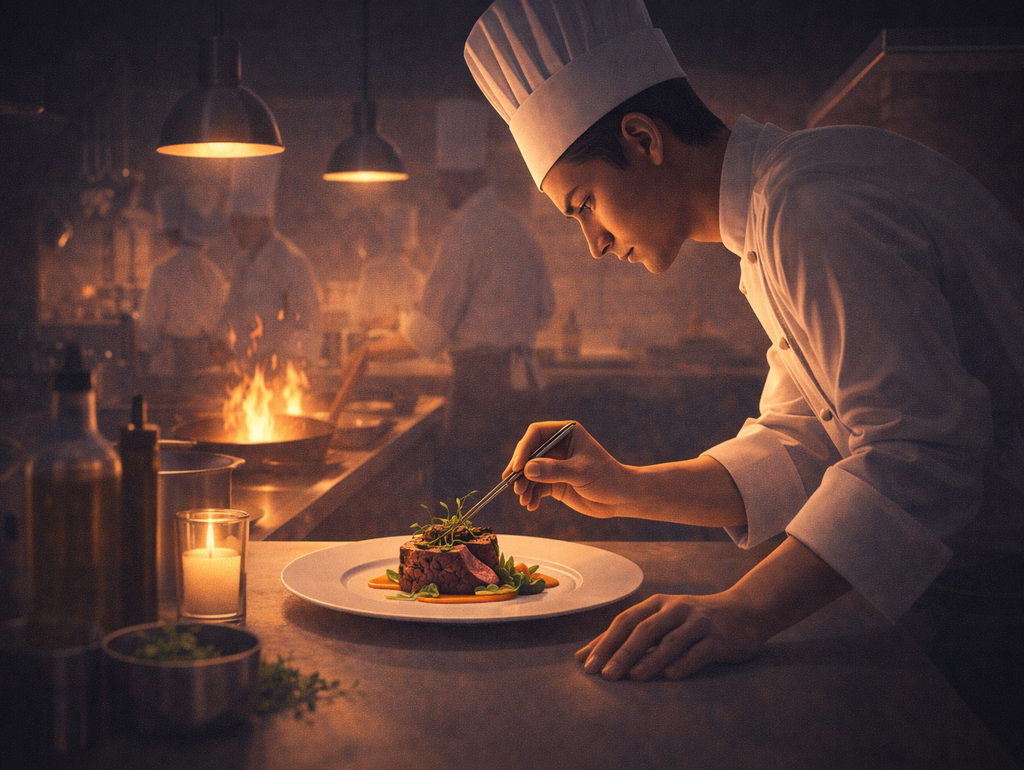
Hours are punishing. Kitchens operate when others socialize. Holidays disappear during busy seasons. Physical demands include standing for twelve-hour shifts in hot environments.
Why do people pursue this path? Passion drives them. The satisfaction of creating something beautiful and delicious makes the sacrifices worthwhile for true devotees.
Conclusion
British haute cuisine continues evolving. New technologies like sous vide and liquid nitrogen have become standard tools. Yet the fundamentals remain unchanged — quality ingredients, technical skill, and artistic vision.
The next generation of chefs seems more collaborative and less hierarchical. They share knowledge freely through social media and cooking symposiums. This openness benefits everyone and pushes the entire industry forward.
What’s certain is that British haute cuisine has secured its place among the world’s finest. The journey from culinary joke to global respect took determination, but the transformation is complete and irreversible.