It seems that we have celebrated every possible holiday, except perhaps the Chinese New Year. And let’s face it, we’ve allowed ourselves a little extra: there’s cake, there’s smoked foods, there’s salted foods.
How to restore your body after New Year’s excesses in a tasty and trouble-free way? The answer is simple: you need to focus on simple and accessible foods that are rich in prebiotics. These dietary fibers can have a positive impact on your physical health, so it is advisable to make sure that you get enough of them in your daily diet.
So what are prebiotics and what are the best options for eating prebiotic foods? Prebiotics are a certain type of plant fiber that promotes the growth of healthy gut bacteria. They are not digested by the body, so they don’t break down before they serve their purpose, acting as a comfortable environment for those very bacteria.
Oatmeal
Good old oatmeal is a great, budget-friendly and totally affordable source of prebiotics. It’s the perfect way to start your morning in the right way. Moreover, the useful properties of oat grains are preserved not only in porridge, but also in other products made of oats, such as oat milk, with which you can make a delicious smoothie, or in flour, from which you can bake pancakes or pancakes.
Ground flax seeds
Flax seeds can be found at any drugstore or health food store. By grinding the seeds in a regular coffee grinder or blender, they can be added to almost any food: porridges, salads, baked goods. You can even make yummy cookies on the cracker principle and take them with you for a snack.
Black Beans
This type of legume is very popular in Latin America, but in our country lately it can also be found on the shelves of the most common supermarkets.
Beans in general are a good source of prebiotics, but this particular variety is particularly rich in them. And when it comes to recipes, there’s no shortage of things to imagine: from soups and lobbies to vegan burgers and tacos.
Topinambur
A truly unique treasure trove of all sorts of health benefits, especially inulin, which is one of the most beneficial prebiotics. This plain-looking tuber is rare to find fresh, but its powder and syrup can easily be found on the shelves of health-food stores, or, even easier, in Internet shops.
Bananas
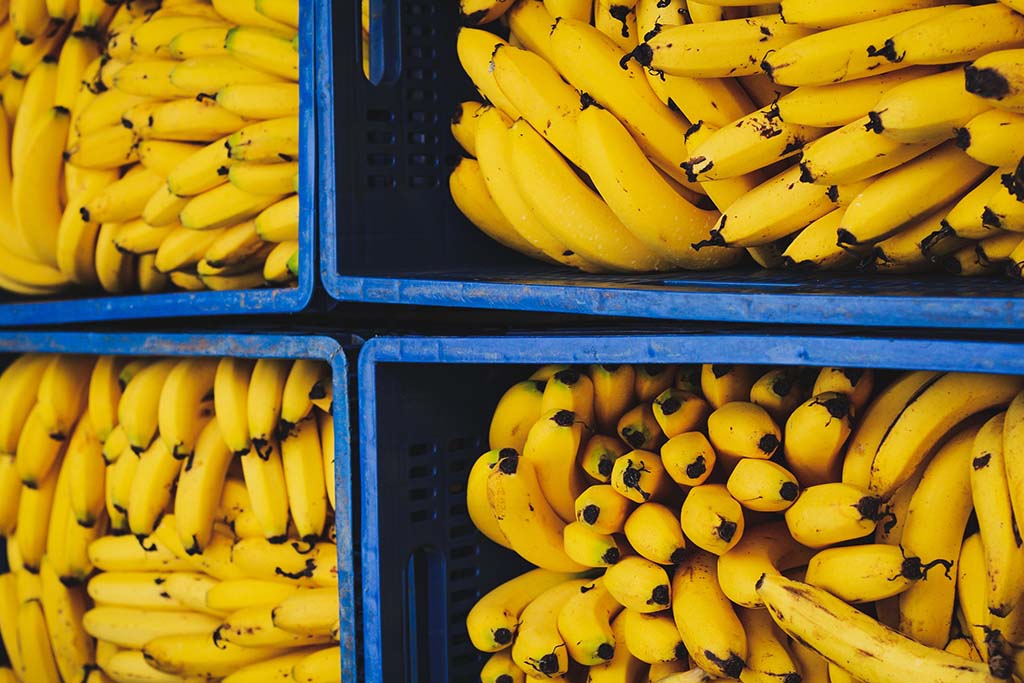
Ripe bananas have some prebiotic fiber, but even more such fiber is found in unripe fruits, experts say. If you don’t really like the taste of unripe bananas, add them to a smoothie or fruit salad.
Сhicory Root
A great way to boost your prebiotic levels is a cup of morning chicory, especially for those who don’t like or can’t drink coffee for health reasons.
Apples
Apples contain prebiotic fiber in the form of pectin. This fiber not only promotes healthy bacteria, but also helps reduce harmful bacteria. Prebiotic fiber is found in apple peels, so apples should be eaten just so, with the peel. However, this only applies to fruits that are not coated with a special wax before sale to increase their shelf life.
Garlic
Garlic has the highest concentration of prebiotic fiber when eaten raw. Try chopping raw garlic into salad dressings or sauces so it doesn’t lose a fair share of its health benefits.
Onions

Onions are rich in prebiotics and often go hand in hand with garlic. And just the same, they retain their properties best in their raw form.
Leeks
A cousin of the previous hero, leeks are rich in a variety of beneficial nutrients, including prebiotic fiber, and they often pair well with combinations of garlic and/or onions. However, leeks are great on their own as well.
Watermelon
Watermelon is rich in prebiotics and packed with many other nutrients, but is also fairly low in calories.
Grapefruit
Grapefruit is another fruit that is a great source of prebiotics and other nutrients, but is low in calories.
Chickpeas
Chickpeas – This type of legume is high in prebiotic fiber. A popular way to get the nutritional benefits of chickpeas is through hummus. You can make hummus to your own recipe, giving this fairly neutral bean paste the flavor of your favorite spices.
Almonds
Almonds are rich in prebiotic fiber and are also a good source of calcium. And almond milk can enrich the flavor of many dishes and baked goods and help those who are lactose intolerant.
Pistachios
Pistachios are another type of nut that are rich in prebiotics and other nutrients. Of course, in order to benefit rather than harm from pistachios, it’s best to consume them in a non-salted version.